Oregon's Largest Beer Bottle & Can Collection
Oregon's Largest Beer Bottle & Can Collection
Oregon's Largest Beer Bottle & Can Collection
Oregon's Largest Beer Bottle & Can Collection
Caldera Bottle Collection
A Lifetime of Beer History
What started as a personal collection has grown into roughly 4600 of bottles and cans spanning decades of brewing history. Collected by owner Jim Mills since 1980—and expanded through donations after opening the restaurant—this display is a reflection of the passion behind Caldera.
Every piece has a story, from rare finds to early classics, all preserved and built into the space you’re standing in.
Caldera Bottle Collection
A Lifetime of Beer History
What started as a personal collection has grown into roughly 4600 of bottles and cans spanning decades of brewing history. Collected by owner Jim Mills since 1980—and expanded through donations after opening the restaurant—this display is a reflection of the passion behind Caldera.
Every piece has a story, from rare finds to early classics, all preserved and built into the space you’re standing in.
Caldera Bottle Collection
A Lifetime of Beer History
What started as a personal collection has grown into roughly 4600 of bottles and cans spanning decades of brewing history. Collected by owner Jim Mills since 1980—and expanded through donations after opening the restaurant—this display is a reflection of the passion behind Caldera.
Every piece has a story, from rare finds to early classics, all preserved and built into the space you’re standing in.
The Collection
A Lifetime of Beer History
What started as a personal collection has grown into roughly 4600 of bottles and cans spanning decades of brewing history. Collected by owner Jim Mills since 1980—and expanded through donations after opening the restaurant—this display is a reflection of the passion behind Caldera.
Every piece has a story, from rare finds to early classics, all preserved and built into the space you’re standing in.
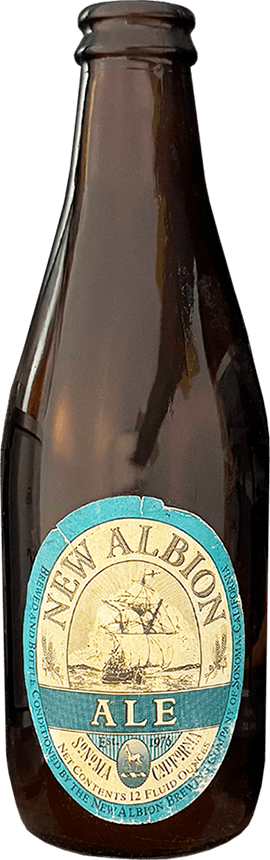
New Albion Porter
Sonoma, CA • 1976–1982
New Albion is widely regarded as the first modern American microbrewery. Its hand-built brewhouse using converted 55-gallon Coca-Cola syrup drums. This is a surviving piece of the brewery that helped launch the American craft beer movement.
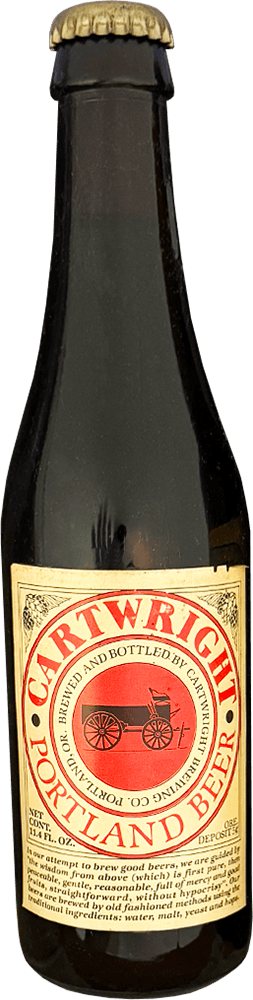
Cartwright Portland Beer
Portland, OR • 1980
Opened in 1980, Cartwright Brewing Company is widely regarded as Oregon’s first modern microbrewery. Its first release was produced in an initial run of only about 150 cases. Cartwright helped inspire the generation of Oregon craft brewers that followed.
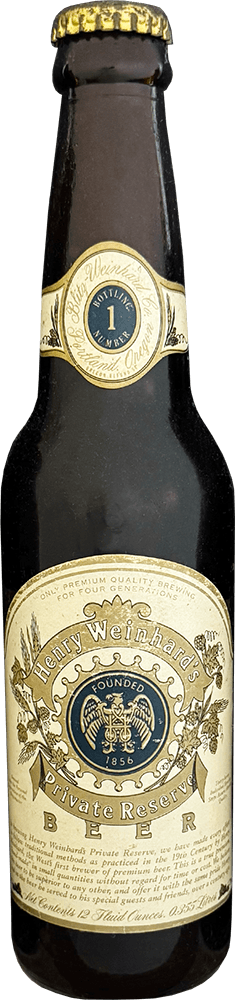
Henry Weinhard’s Private Reserve
Portland, OR · 1976
Introduced in 1976 by Portland’s historic Blitz-Weinhard brewery, Private Reserve helped usher in a new era of premium beer in Oregon. This vintage bottle features the distinctive “Bottling Number 1” neck label associated with the beer’s early releases.
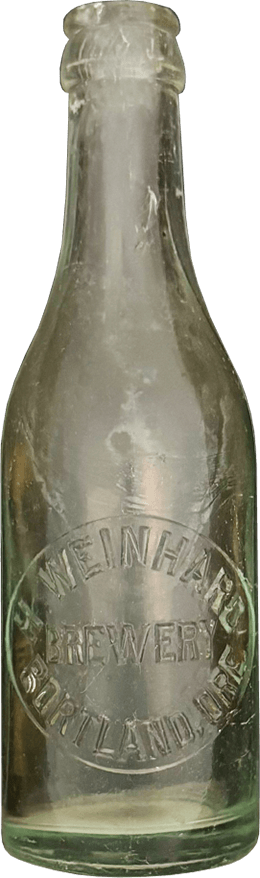
Henry Weinhard's
Portland, OR · 1905–1928
This early bottle is embossed “Henry Weinhard Brewery — Portland, Ore.” Dating to approximately 1905–1928, it represents one of Portland’s most important historic breweries. The heavy embossed lettering makes it a distinctive survivor from Oregon’s early brewing era.
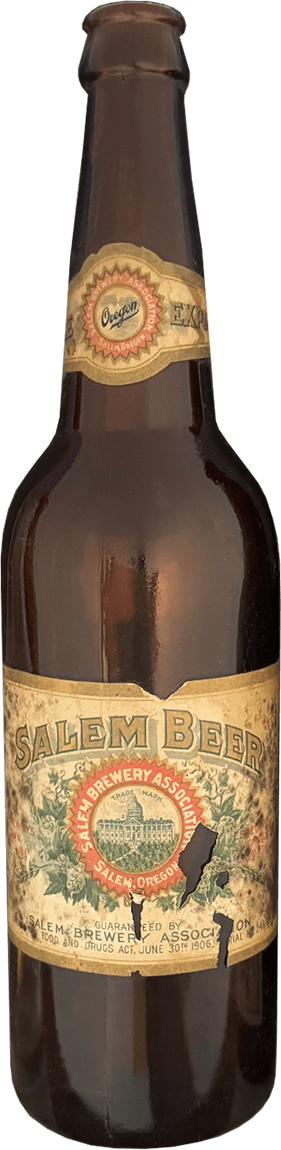
Salem Beer
Salem, OR · 1930s–1940s
Salem Beer was produced by the Salem Brewery Association, whose roots date to 1862. The brewery grew into one of Oregon’s largest and distributed beer throughout the West Coast. This bottle represents its post-Prohibition era before the operation was sold in 1943.
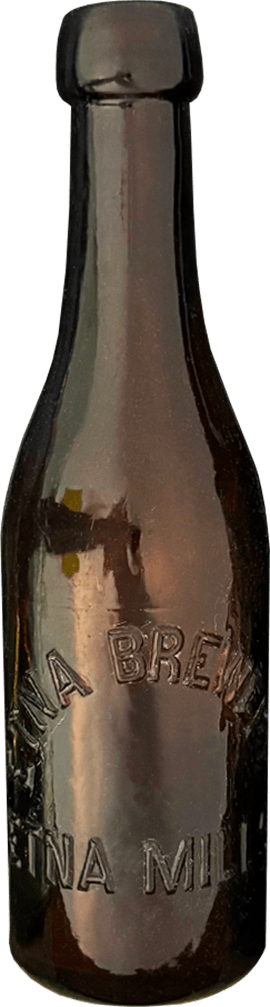
Etna Brewery
Etna Mills, CA · 1880s
Founded in 1872, Etna Brewery supplied beer throughout Northern California and Southern Oregon by wagon and horse team. This amber blob-top bottle dates to approximately the 1880s and is embossed “Etna Brewery — Etna Mills” directly into the glass.
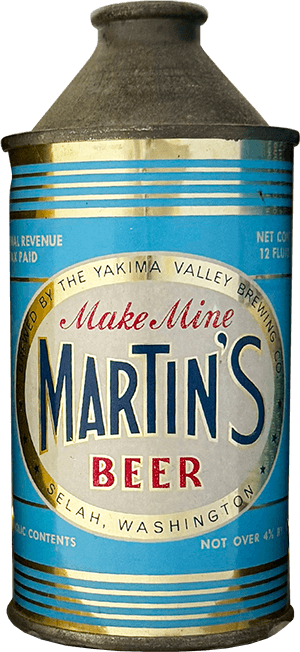
Martin's Beer
Selah, WA · 1949–1950
Brewed by the Yakima Valley Brewing Company in Selah, Washington, Martin's Beer was introduced in this cone-top can in 1949. Its colorful blue-and-gold design and “Internal Revenue Tax Paid” marking make it a classic example of Pacific Northwest brewing history.
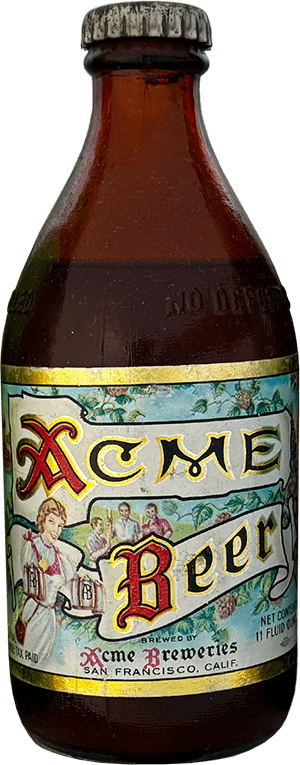
Acme Beer
San Francisco, CA · 1930s–1940s
Founded in San Francisco in 1907, Acme became one of the best-known West Coast beer brands of its era. This vintage 11-ounce stubby features Acme’s colorful illustrated label and distinctive short bottle shape, making it a classic example of post-Prohibition beer packaging.
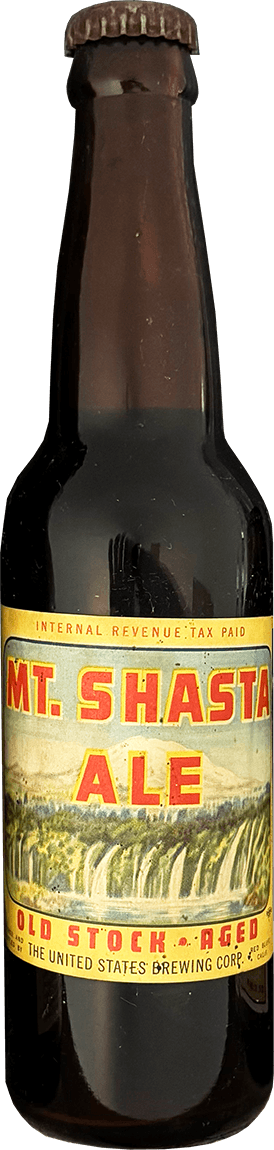
Mt. Shasta Ale
Red Bluff, CA · 1942–1948
Brewed in Red Bluff between 1942 and 1948, Mt. Shasta Ale was marketed as an “Old Stock • Aged” ale. Its colorful label depicts Mt. Shasta and a waterfall and includes the period “Internal Revenue Tax Paid” marking which is distinctive for the time period.
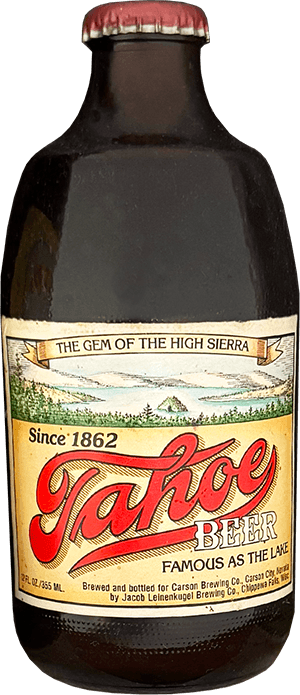
Tahoe Beer
Carson City, NV · 1982
Tahoe Beer traces its roots to one of Nevada’s earliest breweries and became known by the slogan “Famous as the Lake.” This bottle comes from the short-lived 1982 revival, when Jacob Leinenkugel Brewing Company produced Tahoe Beer for CBC Incorporated of Carson City.
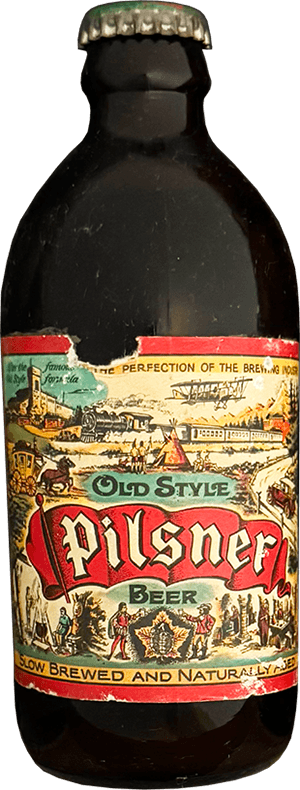
Old Style Pilsner
Lethbridge, Alberta, CA · 1926
First brewed in 1926 by Fritz Sick in Lethbridge, Old Style Pilsner became a longtime favorite across western Canada. This vintage bottle features an unusually detailed illustrated label depicting western life, transportation and brewing history, giving it exceptional visual character.
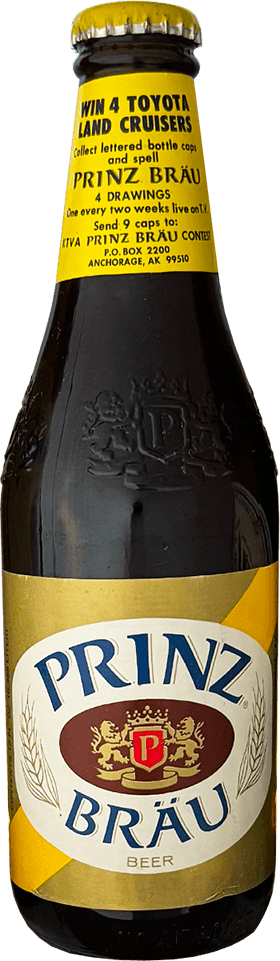
Prinz Bräu
Anchorage, AK · 1976–1979
Prinz Bräu operated in Anchorage for only about three years. This bottle retains its original neck label inviting customers to “Win 4 Toyota Land Cruisers” by collecting lettered caps to spell “PRINZ BRÄU.” Its short-lived brewery history and unusual promotion make it a memorable Alaska collectible.
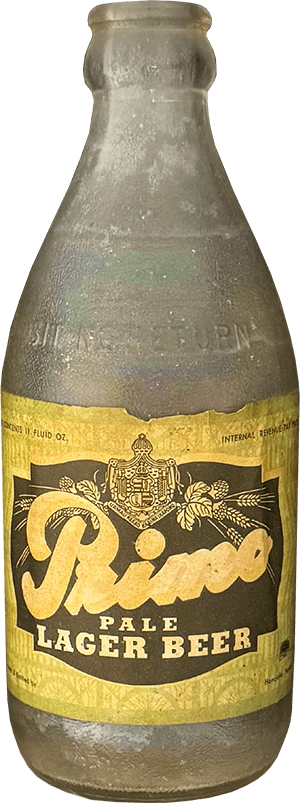
Primo Pale Lager Beer
Honolulu, HI · 1950s
Primo was introduced in Honolulu in 1901 and became one of Hawaii’s best-known beer brands. This vintage clear-glass bottle features an early Primo Pale Lager label and reflects the brand’s long connection to island brewing culture and Hawaiian beer history.
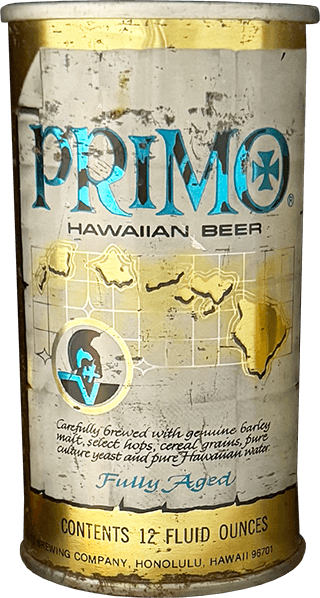
Primo Beer
Honolulu, HI · 1974
One of Hawaii’s best-known beer brands, and in 1958 it made packaging history as the first American beer sold in an all-aluminum can. This 1974 12-ounce can features a map of the Hawaiian Islands, King Kamehameha imagery and the prominent “Fully Aged” message.
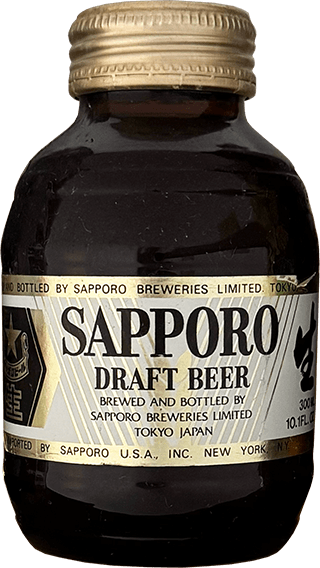
Sapporo Beer
Sapporo, JP · 1984
First brewed in Sapporo, Hokkaido in 1876, Sapporo became one of Japan’s best-known beer brands. This vintage bottle stands out for its unusual short, wide glass shape and classic black-and-gold label, making it an example of Sapporo’s earlier packaging.
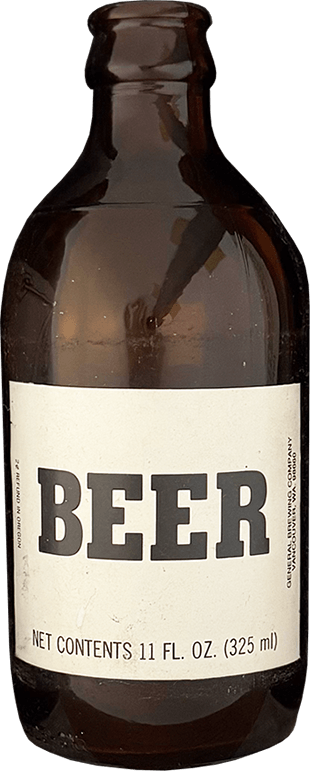
Generic “BEER”
General Brewing Co · 1970s
During the late-1970s generic-product craze, General Brewing Company sold beer labeled simply “BEER.” Produced as a low-cost alternative, it became a memorable example of no-frills packaging. Rumors even suggested it was Lucky Lager in disguise.
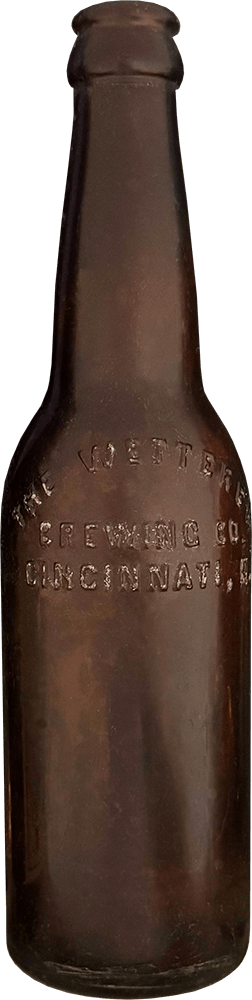
The Jung Brewing Co.
Cincinnati, OH · 1885–1906
This early amber bottle is embossed “The Jung Brewing Co. — Cincinnati, OH ” Dating to approximately 1885–1906, it comes from Cincinnati’s pre-Prohibition brewing era. Its heavy glass and blob-style finish make it a distinctive 19th-century brewery bottle.
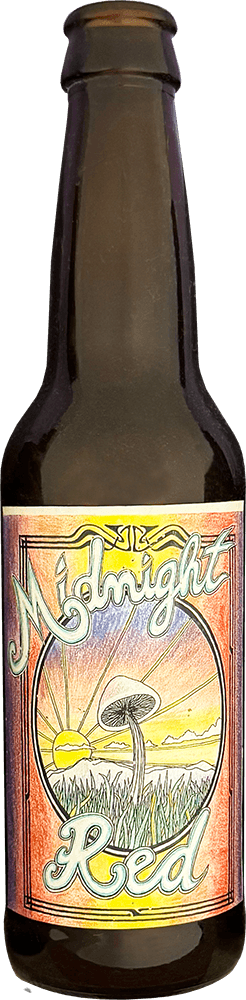
Midnight Red
Ashland, OR · 1995
One-of-a-kind homebrew created in 1995 using psychedelic mushrooms. Its label was conceived and hand-drawn aboard a boat while the artist was experiencing the effects of mushrooms, preserving a uniquely personal moment in the collection’s history.
New Albion Porter
Sonoma, CA • 1976–1982
New Albion is widely regarded as the first modern American microbrewery. Its hand-built brewhouse using converted 55-gallon Coca-Cola syrup drums. This is a surviving piece of the brewery that helped launch the American craft beer movement.
Cartwright Portland Beer
Portland, OR • 1980
Opened in 1980, Cartwright Brewing Company is widely regarded as Oregon’s first modern microbrewery. Its first release was produced in an initial run of only about 150 cases. Cartwright helped inspire the generation of Oregon craft brewers that followed.
Henry Weinhard’s Private Reserve
Portland, OR · 1976
Introduced in 1976 by Portland’s historic Blitz-Weinhard brewery, Private Reserve helped usher in a new era of premium beer in Oregon. This vintage bottle features the distinctive “Bottling Number 1” neck label associated with the beer’s early releases.
Henry Weinhard's
Portland, OR · 1905–1928
This early bottle is embossed “Henry Weinhard Brewery — Portland, Ore.” Dating to approximately 1905–1928, it represents one of Portland’s most important historic breweries. The heavy embossed lettering makes it a distinctive survivor from Oregon’s early brewing era.
Salem Beer
Salem, OR · 1930s–1940s
Salem Beer was produced by the Salem Brewery Association, whose roots date to 1862. The brewery grew into one of Oregon’s largest and distributed beer throughout the West Coast. This bottle represents its post-Prohibition era before the operation was sold in 1943.
Etna Brewery
Etna Mills, CA · 1880s
Founded in 1872, Etna Brewery supplied beer throughout Northern California and Southern Oregon by wagon and horse team. This amber blob-top bottle dates to approximately the 1880s and is embossed “Etna Brewery — Etna Mills” directly into the glass.
Martin's Beer
Selah, WA · 1949–1950
Brewed by the Yakima Valley Brewing Company in Selah, Washington, Martin's Beer was introduced in this cone-top can in 1949. Its colorful blue-and-gold design and “Internal Revenue Tax Paid” marking make it a classic example of Pacific Northwest brewing history.
Acme Beer
San Francisco, CA · 1930s–1940s
Founded in San Francisco in 1907, Acme became one of the best-known West Coast beer brands of its era. This vintage 11-ounce stubby features Acme’s colorful illustrated label and distinctive short bottle shape, making it a classic example of post-Prohibition beer packaging.
Mt. Shasta Ale
Red Bluff, CA · 1942–1948
Brewed in Red Bluff between 1942 and 1948, Mt. Shasta Ale was marketed as an “Old Stock • Aged” ale. Its colorful label depicts Mt. Shasta and a waterfall and includes the period “Internal Revenue Tax Paid” marking which is distinctive for the time period.
Tahoe Beer
Carson City, NV · 1982
Tahoe Beer traces its roots to one of Nevada’s earliest breweries and became known by the slogan “Famous as the Lake.” This bottle comes from the short-lived 1982 revival, when Jacob Leinenkugel Brewing Company produced Tahoe Beer for CBC Incorporated of Carson City.
Old Style Pilsner
Lethbridge, Alberta, CA · 1926
First brewed in 1926 by Fritz Sick in Lethbridge, Old Style Pilsner became a longtime favorite across western Canada. This vintage bottle features an unusually detailed illustrated label depicting western life, transportation and brewing history, giving it exceptional visual character.
Prinz Bräu
Anchorage, AK · 1976–1979
Prinz Bräu operated in Anchorage for only about three years. This bottle retains its original neck label inviting customers to “Win 4 Toyota Land Cruisers” by collecting lettered caps to spell “PRINZ BRÄU.” Its short-lived brewery history and unusual promotion make it a memorable Alaska collectible.
Primo Pale Lager Beer
Honolulu, HI · 1950s
Primo was introduced in Honolulu in 1901 and became one of Hawaii’s best-known beer brands. This vintage clear-glass bottle features an early Primo Pale Lager label and reflects the brand’s long connection to island brewing culture and Hawaiian beer history.
Primo Beer
Honolulu, HI · 1974
One of Hawaii’s best-known beer brands, and in 1958 it made packaging history as the first American beer sold in an all-aluminum can. This 1974 12-ounce can features a map of the Hawaiian Islands, King Kamehameha imagery and the prominent “Fully Aged” message.
Sapporo Beer
Sapporo, JP · 1984
First brewed in Sapporo, Hokkaido in 1876, Sapporo became one of Japan’s best-known beer brands. This vintage bottle stands out for its unusual short, wide glass shape and classic black-and-gold label, making it an example of Sapporo’s earlier packaging.
Generic “BEER”
General Brewing Co · 1970s
During the late-1970s generic-product craze, General Brewing Company sold beer labeled simply “BEER.” Produced as a low-cost alternative, it became a memorable example of no-frills packaging. Rumors even suggested it was Lucky Lager in disguise.
The Jung Brewing Co.
Cincinnati, OH · 1885–1906
This early amber bottle is embossed “The Jung Brewing Co. — Cincinnati, OH ” Dating to approximately 1885–1906, it comes from Cincinnati’s pre-Prohibition brewing era. Its heavy glass and blob-style finish make it a distinctive 19th-century brewery bottle.
Midnight Red
Ashland, OR · 1995
One-of-a-kind homebrew created in 1995 using psychedelic mushrooms. Its label was conceived and hand-drawn aboard a boat while the artist was experiencing the effects of mushrooms, preserving a uniquely personal moment in the collection’s history.
New Albion Porter
Sonoma, CA • 1976–1982
New Albion is widely regarded as the first modern American microbrewery. Its hand-built brewhouse using converted 55-gallon Coca-Cola syrup drums. This is a surviving piece of the brewery that helped launch the American craft beer movement.
Cartwright Portland Beer
Portland, OR • 1980
Opened in 1980, Cartwright Brewing Company is widely regarded as Oregon’s first modern microbrewery. Its first release was produced in an initial run of only about 150 cases. Cartwright helped inspire the generation of Oregon craft brewers that followed.
Henry Weinhard’s Private Reserve
Portland, OR · 1976
Introduced in 1976 by Portland’s historic Blitz-Weinhard brewery, Private Reserve helped usher in a new era of premium beer in Oregon. This vintage bottle features the distinctive “Bottling Number 1” neck label associated with the beer’s early releases.
Henry Weinhard's
Portland, OR · 1905–1928
This early bottle is embossed “Henry Weinhard Brewery — Portland, Ore.” Dating to approximately 1905–1928, it represents one of Portland’s most important historic breweries. The heavy embossed lettering makes it a distinctive survivor from Oregon’s early brewing era.
Salem Beer
Salem, OR · 1930s–1940s
Salem Beer was produced by the Salem Brewery Association, whose roots date to 1862. The brewery grew into one of Oregon’s largest and distributed beer throughout the West Coast. This bottle represents its post-Prohibition era before the operation was sold in 1943.
Etna Brewery
Etna Mills, CA · 1880s
Founded in 1872, Etna Brewery supplied beer throughout Northern California and Southern Oregon by wagon and horse team. This amber blob-top bottle dates to approximately the 1880s and is embossed “Etna Brewery — Etna Mills” directly into the glass.
Martin's Beer
Selah, WA · 1949–1950
Brewed by the Yakima Valley Brewing Company in Selah, Washington, Martin's Beer was introduced in this cone-top can in 1949. Its colorful blue-and-gold design and “Internal Revenue Tax Paid” marking make it a classic example of Pacific Northwest brewing history.
Acme Beer
San Francisco, CA · 1930s–1940s
Founded in San Francisco in 1907, Acme became one of the best-known West Coast beer brands of its era. This vintage 11-ounce stubby features Acme’s colorful illustrated label and distinctive short bottle shape, making it a classic example of post-Prohibition beer packaging.
Mt. Shasta Ale
Red Bluff, CA · 1942–1948
Brewed in Red Bluff between 1942 and 1948, Mt. Shasta Ale was marketed as an “Old Stock • Aged” ale. Its colorful label depicts Mt. Shasta and a waterfall and includes the period “Internal Revenue Tax Paid” marking which is distinctive for the time period.
Tahoe Beer
Carson City, NV · 1982
Tahoe Beer traces its roots to one of Nevada’s earliest breweries and became known by the slogan “Famous as the Lake.” This bottle comes from the short-lived 1982 revival, when Jacob Leinenkugel Brewing Company produced Tahoe Beer for CBC Incorporated of Carson City.
Old Style Pilsner
Lethbridge, Alberta, CA · 1926
First brewed in 1926 by Fritz Sick in Lethbridge, Old Style Pilsner became a longtime favorite across western Canada. This vintage bottle features an unusually detailed illustrated label depicting western life, transportation and brewing history, giving it exceptional visual character.
Prinz Bräu
Anchorage, AK · 1976–1979
Prinz Bräu operated in Anchorage for only about three years. This bottle retains its original neck label inviting customers to “Win 4 Toyota Land Cruisers” by collecting lettered caps to spell “PRINZ BRÄU.” Its short-lived brewery history and unusual promotion make it a memorable Alaska collectible.
Primo Pale Lager Beer
Honolulu, HI · 1950s
Primo was introduced in Honolulu in 1901 and became one of Hawaii’s best-known beer brands. This vintage clear-glass bottle features an early Primo Pale Lager label and reflects the brand’s long connection to island brewing culture and Hawaiian beer history.
Primo Beer
Honolulu, HI · 1974
One of Hawaii’s best-known beer brands, and in 1958 it made packaging history as the first American beer sold in an all-aluminum can. This 1974 12-ounce can features a map of the Hawaiian Islands, King Kamehameha imagery and the prominent “Fully Aged” message.
Sapporo Beer
Sapporo, JP · 1984
First brewed in Sapporo, Hokkaido in 1876, Sapporo became one of Japan’s best-known beer brands. This vintage bottle stands out for its unusual short, wide glass shape and classic black-and-gold label, making it an example of Sapporo’s earlier packaging.
Generic “BEER”
General Brewing Co · 1970s
During the late-1970s generic-product craze, General Brewing Company sold beer labeled simply “BEER.” Produced as a low-cost alternative, it became a memorable example of no-frills packaging. Rumors even suggested it was Lucky Lager in disguise.
The Jung Brewing Co.
Cincinnati, OH · 1885–1906
This early amber bottle is embossed “The Jung Brewing Co. — Cincinnati, OH ” Dating to approximately 1885–1906, it comes from Cincinnati’s pre-Prohibition brewing era. Its heavy glass and blob-style finish make it a distinctive 19th-century brewery bottle.
Midnight Red
Ashland, OR · 1995
One-of-a-kind homebrew created in 1995 using psychedelic mushrooms. Its label was conceived and hand-drawn aboard a boat while the artist was experiencing the effects of mushrooms, preserving a uniquely personal moment in the collection’s history.
New Albion Porter
Sonoma, CA • 1976–1982
New Albion is widely regarded as the first modern American microbrewery. Its hand-built brewhouse using converted 55-gallon Coca-Cola syrup drums. This is a surviving piece of the brewery that helped launch the American craft beer movement.
Cartwright Portland Beer
Portland, OR • 1980
Opened in 1980, Cartwright Brewing Company is widely regarded as Oregon’s first modern microbrewery. Its first release was produced in an initial run of only about 150 cases. Cartwright helped inspire the generation of Oregon craft brewers that followed.
Henry Weinhard’s Private Reserve
Portland, OR · 1976
Introduced in 1976 by Portland’s historic Blitz-Weinhard brewery, Private Reserve helped usher in a new era of premium beer in Oregon. This vintage bottle features the distinctive “Bottling Number 1” neck label associated with the beer’s early releases.
Henry Weinhard's
Portland, OR · 1905–1928
This early bottle is embossed “Henry Weinhard Brewery — Portland, Ore.” Dating to approximately 1905–1928, it represents one of Portland’s most important historic breweries. The heavy embossed lettering makes it a distinctive survivor from Oregon’s early brewing era.
Salem Beer
Salem, OR · 1930s–1940s
Salem Beer was produced by the Salem Brewery Association, whose roots date to 1862. The brewery grew into one of Oregon’s largest and distributed beer throughout the West Coast. This bottle represents its post-Prohibition era before the operation was sold in 1943.
Etna Brewery
Etna Mills, CA · 1880s
Founded in 1872, Etna Brewery supplied beer throughout Northern California and Southern Oregon by wagon and horse team. This amber blob-top bottle dates to approximately the 1880s and is embossed “Etna Brewery — Etna Mills” directly into the glass.
Martin's Beer
Selah, WA · 1949–1950
Brewed by the Yakima Valley Brewing Company in Selah, Washington, Martin's Beer was introduced in this cone-top can in 1949. Its colorful blue-and-gold design and “Internal Revenue Tax Paid” marking make it a classic example of Pacific Northwest brewing history.
Acme Beer
San Francisco, CA · 1930s–1940s
Founded in San Francisco in 1907, Acme became one of the best-known West Coast beer brands of its era. This vintage 11-ounce stubby features Acme’s colorful illustrated label and distinctive short bottle shape, making it a classic example of post-Prohibition beer packaging.
Mt. Shasta Ale
Red Bluff, CA · 1942–1948
Brewed in Red Bluff between 1942 and 1948, Mt. Shasta Ale was marketed as an “Old Stock • Aged” ale. Its colorful label depicts Mt. Shasta and a waterfall and includes the period “Internal Revenue Tax Paid” marking which is distinctive for the time period.
Tahoe Beer
Carson City, NV · 1982
Tahoe Beer traces its roots to one of Nevada’s earliest breweries and became known by the slogan “Famous as the Lake.” This bottle comes from the short-lived 1982 revival, when Jacob Leinenkugel Brewing Company produced Tahoe Beer for CBC Incorporated of Carson City.
Old Style Pilsner
Lethbridge, Alberta, CA · 1926
First brewed in 1926 by Fritz Sick in Lethbridge, Old Style Pilsner became a longtime favorite across western Canada. This vintage bottle features an unusually detailed illustrated label depicting western life, transportation and brewing history, giving it exceptional visual character.
Prinz Bräu
Anchorage, AK · 1976–1979
Prinz Bräu operated in Anchorage for only about three years. This bottle retains its original neck label inviting customers to “Win 4 Toyota Land Cruisers” by collecting lettered caps to spell “PRINZ BRÄU.” Its short-lived brewery history and unusual promotion make it a memorable Alaska collectible.
Primo Pale Lager Beer
Honolulu, HI · 1950s
Primo was introduced in Honolulu in 1901 and became one of Hawaii’s best-known beer brands. This vintage clear-glass bottle features an early Primo Pale Lager label and reflects the brand’s long connection to island brewing culture and Hawaiian beer history.
Primo Beer
Honolulu, HI · 1974
One of Hawaii’s best-known beer brands, and in 1958 it made packaging history as the first American beer sold in an all-aluminum can. This 1974 12-ounce can features a map of the Hawaiian Islands, King Kamehameha imagery and the prominent “Fully Aged” message.
Sapporo Beer
Sapporo, JP · 1984
First brewed in Sapporo, Hokkaido in 1876, Sapporo became one of Japan’s best-known beer brands. This vintage bottle stands out for its unusual short, wide glass shape and classic black-and-gold label, making it an example of Sapporo’s earlier packaging.
Generic “BEER”
General Brewing Co · 1970s
During the late-1970s generic-product craze, General Brewing Company sold beer labeled simply “BEER.” Produced as a low-cost alternative, it became a memorable example of no-frills packaging. Rumors even suggested it was Lucky Lager in disguise.
The Jung Brewing Co.
Cincinnati, OH · 1885–1906
This early amber bottle is embossed “The Jung Brewing Co. — Cincinnati, OH ” Dating to approximately 1885–1906, it comes from Cincinnati’s pre-Prohibition brewing era. Its heavy glass and blob-style finish make it a distinctive 19th-century brewery bottle.
Midnight Red
Ashland, OR · 1995
One-of-a-kind homebrew created in 1995 using psychedelic mushrooms. Its label was conceived and hand-drawn aboard a boat while the artist was experiencing the effects of mushrooms, preserving a uniquely personal moment in the collection’s history.
FAQs
How many bottles and cans are in the collection?
Roughly 4,600
Are there any duplicate pieces?
Yes, Henry Weinhard Bottling No. 1
Are the bottles glued down?
Yes, everything is secured in place
Where did the collection come from?
Owner Jim Mills has been collecting since 1980, with additional pieces donated
Who cleans the collection?
Owner Jim Mills diligently cleans every bottle and can
FAQs
How many bottles and cans are in the collection?
Roughly 4,600
Are there any duplicate pieces?
Yes, Henry Weinhard Bottling No. 1
Are the bottles glued down?
Yes, everything is secured in place
Where did the collection come from?
Owner Jim Mills has been collecting since 1980, with additional pieces donated
Who cleans the collection?
Owner Jim Mills diligently cleans every bottle and can
FAQs
How many bottles and cans are in the collection?
Roughly 4,600
Are there any duplicate pieces?
Yes, Henry Weinhard Bottling No. 1
Are the bottles glued down?
Yes, everything is secured in place
Where did the collection come from?
Owner Jim Mills has been collecting since 1980, with additional pieces donated
Who cleans the collection?
Owner Jim Mills diligently cleans every bottle and can
FAQs
How many bottles and cans are in the collection?
Roughly 4,600
Are there any duplicate pieces?
Yes, Henry Weinhard Bottling No. 1
Are the bottles glued down?
Yes, everything is secured in place
Where did the collection come from?
Owner Jim Mills has been collecting since 1980, with additional pieces donated
Who cleans the collection?
Owner Jim Mills diligently cleans every bottle and can